
Introduction:
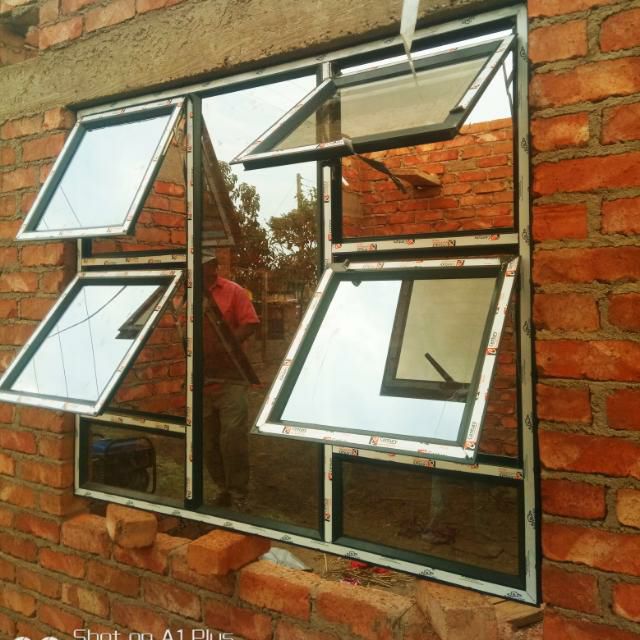
In the realm of modern architecture and home design, the choice of materials plays a pivotal role in shaping the aesthetics, durability, and energy efficiency of a structure. One such decision that architects, builders, and homeowners often grapple with is the selection of window frames. While steel has been a traditional contender, there’s a rising star in the construction world – aluminium windows. In this blog post, we will delve into the numerous advantages that aluminium windows bring to the table, making them an unbeatable choice over their steel counterparts.
- Lightweight and Durable:
Aluminium is renowned for its lightweight yet incredibly robust nature. Windows crafted from aluminium strike a perfect balance between strength and weight, making them easy to install while ensuring longevity. Unlike steel frames, which can be heavy and cumbersome, aluminium frames offer the same level of strength without adding unnecessary load to the structure.
- Corrosion Resistance:
One of the most significant drawbacks of steel frames is their susceptibility to corrosion, especially in humid or coastal environments. Aluminium, on the other hand, boasts inherent corrosion resistance. This makes aluminium windows an ideal choice for locations where exposure to moisture is a constant concern, ensuring that your windows maintain their integrity and appearance over time.
- Low Maintenance:
Aluminium windows require minimal maintenance compared to steel frames. The corrosion resistance of aluminium means that there’s no need for regular painting or protective coatings. A simple routine of cleaning with a mild detergent and water is sufficient to keep aluminium windows looking pristine, saving homeowners both time and money in the long run.
- Energy Efficiency:
Aluminium windows excel in energy efficiency, providing excellent thermal performance. They can be equipped with thermal breaks – insulating materials placed between the interior and exterior of the frame – to further enhance their ability to regulate temperature. This feature not only contributes to a more comfortable living environment but also reduces energy consumption and lowers utility bills.
- Design Versatility:
Aluminium’s malleability allows for a wide range of design possibilities. Whether your architectural vision leans towards sleek and modern or timeless and classic, aluminium windows can be customized to meet your specific aesthetic preferences. The versatility of aluminium frames enables architects and homeowners to experiment with unique shapes and sizes, opening up a world of design possibilities.
- Recyclability:
In an era where sustainability is a top priority, the recyclability of materials cannot be overlooked. Aluminium is highly recyclable, and the recycling process requires significantly less energy compared to the production of new aluminium. Opting for aluminium windows aligns with eco-conscious building practices, contributing to a more sustainable and environmentally friendly construction approach.
Conclusion:
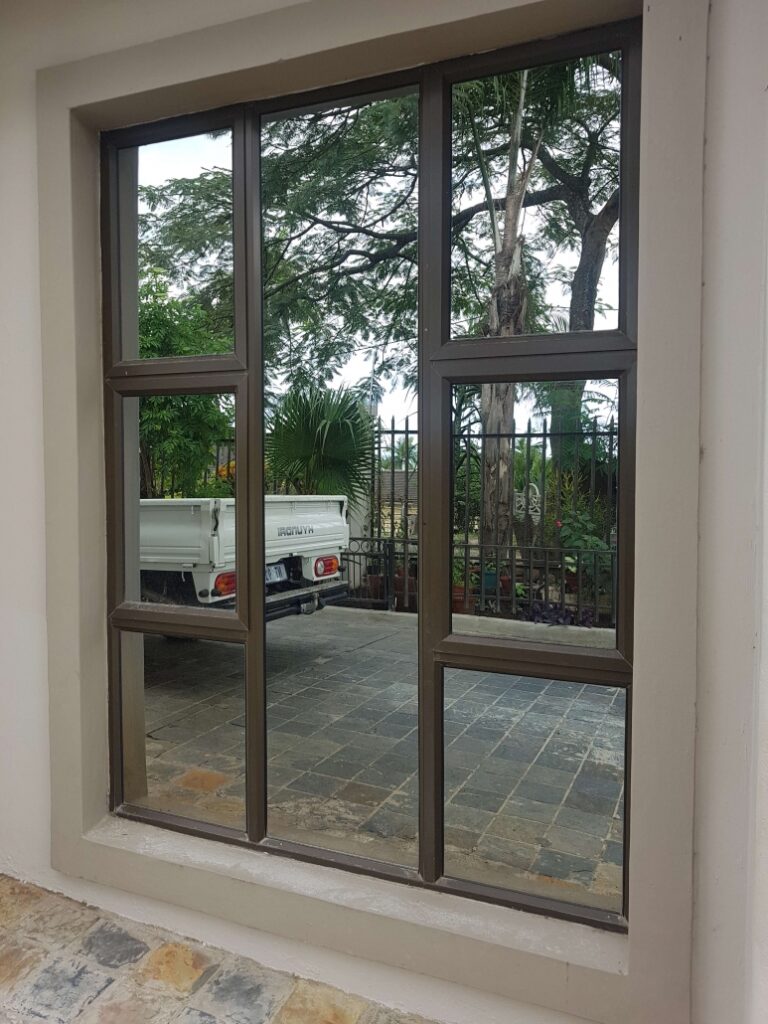
In the competition between aluminium and steel window frames, the advantages of aluminium emerge as a clear winner. From its lightweight yet robust construction to corrosion resistance, low maintenance requirements, energy efficiency, design versatility, and recyclability, aluminium windows embody the epitome of modern window frame excellence. As the architectural landscape evolves, aluminium stands as a testament to innovation and durability, transforming not just windows but the very fabric of contemporary design.